What Should I Do If My Shower Is Leaking?
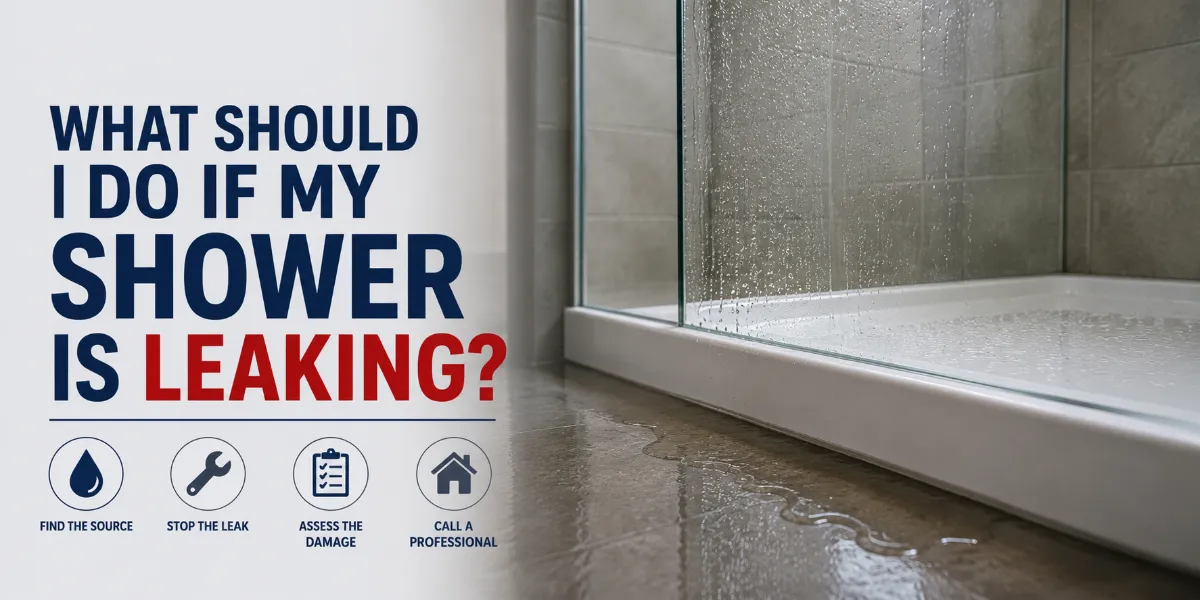
A leaking shower is one of those problems homeowners often put off because it doesn't seem urgent. Maybe there's a little discoloration on the ceiling below. Maybe grout keeps cracking. Maybe you notice a musty smell that won't go away.
The problem is that water has a way of finding places you can't see. What starts as a small leak can eventually lead to damaged drywall, rotted framing, mold growth, damaged subfloors, and a much larger repair bill.
If you suspect your shower is leaking, acting quickly can often save thousands of dollars in additional damage.
Common Signs Your Shower May Be Leaking
-
- Water stains on ceilings below
- Soft flooring around the shower
- Loose or cracked tile
- Cracked grout joints
- Persistent mildew smells
- Peeling paint or drywall
- Water appearing outside the shower enclosure
- Repeated caulking failures
Many leaks remain hidden for months or even years before visible signs appear.
Where Are Shower Leaks Usually Coming From?
Many homeowners assume the plumbing is leaking.
While that sometimes happens, plumbing is often not the culprit.
Common causes include:
Failed Grout And Caulking
Grout and caulk are not waterproofing systems. They help shed water, but they are not designed to stop water from reaching the structure behind the tile.
Improper Shower Pan Installation
Older shower pans and poorly installed shower pans can allow water to escape into the surrounding structure.
Failed Waterproof Membranes
Modern tile showers should include a complete waterproofing system beneath the tile. When membranes are damaged, installed incorrectly, or omitted entirely, leaks can occur.
Poor Drain Details
Improper drain connections are a common failure point.
Structural Movement
As homes settle, cracks can develop that allow water intrusion.
The Surprising Problem We Find In Older Tile Showers
Many homeowners are shocked to learn that some older tile showers have little or no effective waterproofing behind the tile.
In many homes built decades ago, tile was installed over cement board, drywall, or mortar systems that relied heavily on grout and caulking to manage water.
The problem is that tile and grout are not waterproof.
Over time, water can migrate behind the tile and into surrounding materials.
This is one reason shower leaks often go unnoticed until significant damage has already occurred.
Can A Leaking Shower Be Repaired?
Sometimes.
Minor issues such as:
-
- Damaged caulking
- Isolated grout repairs
- Small fixture leaks
may be repairable.
However, if water has compromised the waterproofing system behind the tile, a simple repair may only provide a temporary solution.
The only way to know for sure is to determine where the leak is originating.
When Does A Shower Need To Be Replaced?
In many cases, replacement becomes the most practical option when:
-
- Waterproofing has failed
- The shower pan is leaking
- Mold is present
- Subfloor damage has occurred
- The shower is outdated and already due for replacement
At that point, investing money into repeated repairs often doesn't make financial sense.
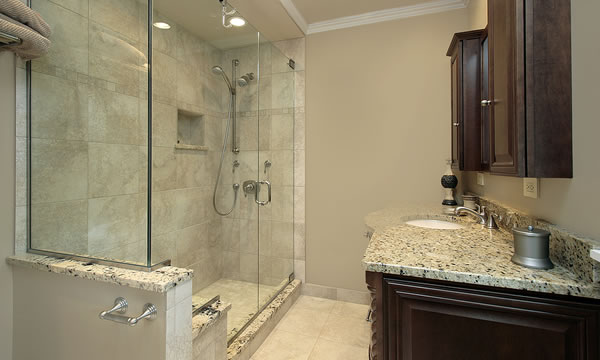
A properly built replacement shower provides an opportunity to solve the leak permanently while improving the appearance and functionality of the bathroom.
What Happens If I Ignore A Leaking Shower?
Unfortunately, shower leaks rarely get better on their own.
Over time, water can damage:
-
- Subfloors
- Wall framing
- Drywall
- Insulation
- Flooring
- Adjacent rooms
In some cases, homeowners discover extensive hidden damage only after demolition begins.
The sooner a leaking shower is addressed, the more likely it is that major structural repairs can be avoided.
How Modern Showers Prevent Leaks
Today's shower construction methods are significantly better than many systems installed years ago.
Modern showers often include:
Waterproof Membranes
Continuous waterproofing directly behind the tile.
Waterproof Backer Boards
Moisture-resistant substrates designed specifically for wet environments.
Improved Drain Systems
Drain assemblies designed to properly manage water and direct it away from the structure.
Barrier-Free And Custom Designs
Modern waterproofing systems make it possible to create beautiful custom showers without sacrificing performance.
Should I Repair Or Replace My Shower?
The answer depends on the age of the shower, the source of the leak, and the extent of the damage.
A professional evaluation can help determine whether:
-
- A minor repair is sufficient
- Partial reconstruction is needed
- Full replacement is the best long-term solution
The goal should always be fixing the cause of the leak, not just the symptoms.
Concerned About A Leaking Shower?
If you've noticed signs of water damage, musty odors, cracked tile, recurring grout problems, or visible leaks, don't wait for the problem to get worse.
Ohio Home Doctor helps homeowners throughout Dayton, Centerville, Beavercreek, Bellbrook, Springboro, Miamisburg, Oakwood, West Chester, and surrounding Southwest Ohio communities diagnose shower problems and create lasting solutions.
Whether your shower needs a repair, replacement, or complete bathroom remodel, we're happy to help you understand your options.